Player Psychology
Understanding how players think, feel, and respond to videogames.
Flow State
Flow is a state of complete absorption where challenge matches skill. Mihaly Csikszentmihalyi identified this state across many activities, but videogames are particularly good at inducing it.
When challenge exceeds skill, players feel anxiety. When skill exceeds challenge, players feel boredom. Flow lives in the channel between.
Videogames can dynamically adjust difficulty, pacing, and feedback to keep players in flow. This is part of why they are so engaging.
Motivation
Players are motivated by different things:
- Intrinsic motivation: Playing because the activity itself is rewarding. The joy of movement, discovery, mastery.
- Extrinsic motivation: Playing for external rewards. Achievements, unlocks, leaderboards, social recognition.
Neither is better. Most players experience both. But understanding which motivations your videogame serves helps you design more intentionally.
The Tetris Effect
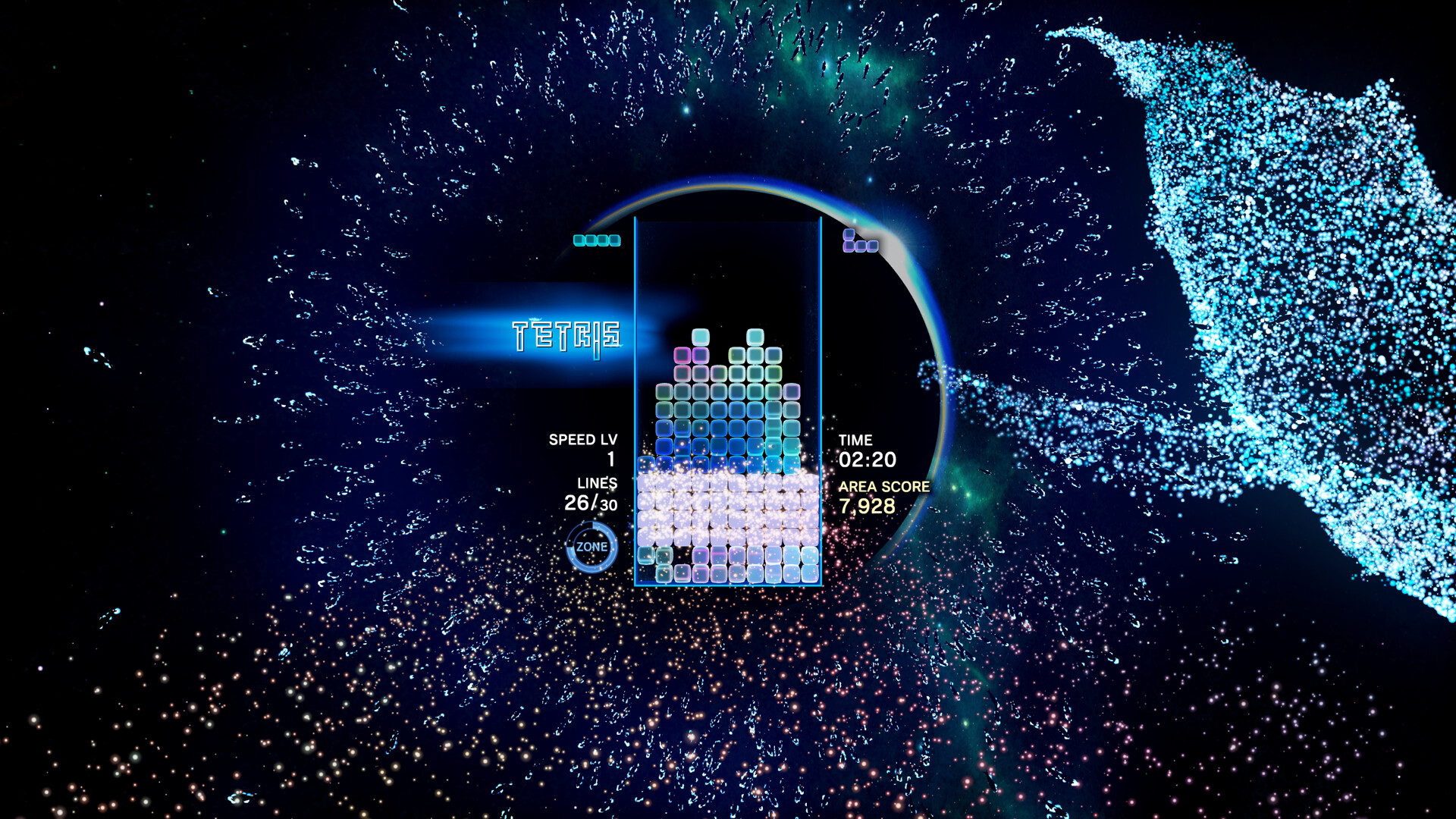
When you play a videogame intensely, it can bleed into your non-play life. You see Tetris shapes when you close your eyes. You think about optimal routes while walking. You dream about the videogame.
This phenomenon, named after Tetris, shows how deeply videogames can embed themselves in cognition. It's a testament to how effectively videogames train patterns of thought and perception.
Feedback Loops
Feedback loops occur when the output of a system becomes input to that system. Videogames are full of them.
Positive Feedback Loops
Amplify change. The rich get richer. A player who is winning gains advantages that help them win more. This creates snowballing, runaway leaders, decisive endings.
Negative Feedback Loops
Dampen change. Pull toward equilibrium. A player who is losing gains advantages (rubber-banding). This keeps competition close, extends play, can feel unfair.
Neither is inherently good or bad. The question is what experience you want to create.
Human Random vs. Computer Random
Humans are bad at perceiving true randomness. A truly random sequence often looks "streaky" to humans, who expect more alternation.
Computer random is mathematically fair. But it can feel unfair to players. Three critical hits in a row is possible and will happen eventually. When it happens to players, they feel cheated.
Many videogames use weighted randomness that feels more fair to humans while sacrificing mathematical purity. This is a design choice, not a bug.
Player Fair vs. Computer Fair
Related: what feels fair to the player is not always what is mathematically fair.
Coyote time (letting players jump slightly after leaving a platform) is not "fair" in a strict sense. The player is jumping from midair. But it feels fair because it matches player intention.
Input buffering (remembering inputs for a grace period) is not "fair" either. But it makes the videogame feel responsive rather than demanding frame-perfect precision.
Good videogame design often prioritizes player-fair over computer-fair. The goal is an experience that feels right, not one that is mathematically pure.
Exercise: Identify the Loops
Pick a competitive videogame (Burnout, Mario Kart, any fighting videogame). Identify:
- One positive feedback loop (winners get stronger)
- One negative feedback loop (losers get help)
- How these loops shape the experience
Teaching Flow
Flow is often taught abstractly (the "flow channel" diagram). Make it concrete: have students play Tetris at increasing speeds and articulate when they feel anxious, bored, or absorbed.
The goal is recognizing flow as a felt state, not just a theoretical concept.
The Fairness Conversation
Students often think "fair" means "mathematically equal." Coyote time and input buffering are excellent examples to show that fairness is about matching player expectation, not mathematical purity.
The deeper lesson: design serves experience, not abstract correctness.
Feedback Loops in the Classroom
Students may initially think positive feedback loops are "good" and negative ones are "bad." Use examples:
- Burnout Paradise: Takedowns give boost (positive loop), but crashed players respawn near the pack (negative loop)
- Mario Kart: Blue shells and item distribution favor trailing players (negative loop)
Neither is inherently better. Each creates different experiences.
Common Misconceptions
"Flow means the videogame is too easy":
Flow requires challenge. Too easy is boredom, not flow. The key is matching challenge to skill, not removing challenge.
"Extrinsic motivation is manipulative":
It can be. But it's also natural - we like achievements, recognition, progress markers. The question is whether rewards enhance or replace the core experience.
Key Influences
Mihaly Csikszentmihalyi: Flow: The Psychology of Optimal Experience (1990). The foundational work on flow state, applied across many domains including videogames.
Raph Koster: A Theory of Fun for Game Design (2004). Connects learning and pattern recognition to player enjoyment.
Self-Determination Theory (Deci & Ryan): Identifies autonomy, competence, and relatedness as core psychological needs. Widely applied to videogame motivation research.
The Tetris Effect in Research
The Tetris effect is real and documented. Studies show that intensive videogame play creates mental imagery, dreams, and perceptual changes related to the videogame. This is sometimes called "game transfer phenomena."
It raises interesting questions about what videogames do to cognition - not in a moral panic sense, but in terms of how deeply they shape perception and thought.
What We're Taking
The practical tools: flow as a design target, feedback loops as structural elements, player-fair as a design principle. These are immediately applicable to making and analyzing.
What We're Resisting
Over-psychologizing: Player psychology is useful, but videogames are not just psychological manipulation machines. The framework matters more than the psychology.
Gamification discourse: Applying these concepts to "gamify" non-videogame contexts often misses what makes videogames work. Points and badges are not the insight.
Unresolved Questions
- How do cultural differences affect these psychological concepts? Is flow universal?
- Where is the line between engaging design and exploitative design?
- Does understanding these mechanisms make us more or less susceptible to them?
Related
- What Makes a Videogame - the medium we're studying
- The Design Lens - our framework for analysis
- Gesture - where psychology meets design