Aesthetic Heritage
Where the choices in each of the 4 A's come from. The lineage.
What Aesthetic Heritage Is
Every choice in a videogame comes from somewhere. A jump arc, a color palette, a camera angle, a musical sting, a pacing structure. None of these are invented from nothing.
Aesthetic Heritage is the term for tracing where these choices come from. What the videogame inherits, quotes, or transforms from:
- Other videogames
- Cinema
- Music
- Visual art
- Theatre
- Dance
- Literature
- Architecture
- Any other medium or tradition
Why "Aesthetic" Heritage
Videogames are an aesthetic medium. All four A's (Action, Art, Arc, Atmosphere) are aesthetic choices with lineages.
This is not limited to visuals. A jump mechanic has an aesthetic heritage. A difficulty curve has an aesthetic heritage. A control scheme has an aesthetic heritage. "Aesthetic" here means the full craft of the medium, not just the visual.
Inheritance, Quotation, Transformation
Videogames relate to their aesthetic heritage in three main ways:
Inheritance
Using a solution because it works. The double-jump exists in your platformer because double-jumps have proven useful in platformers. You inherit the convention.
Quotation
Deliberately referencing a source. The camera work in your horror videogame quotes the camera work in a specific horror film. Players who recognize the reference experience an additional layer of meaning.
Transformation
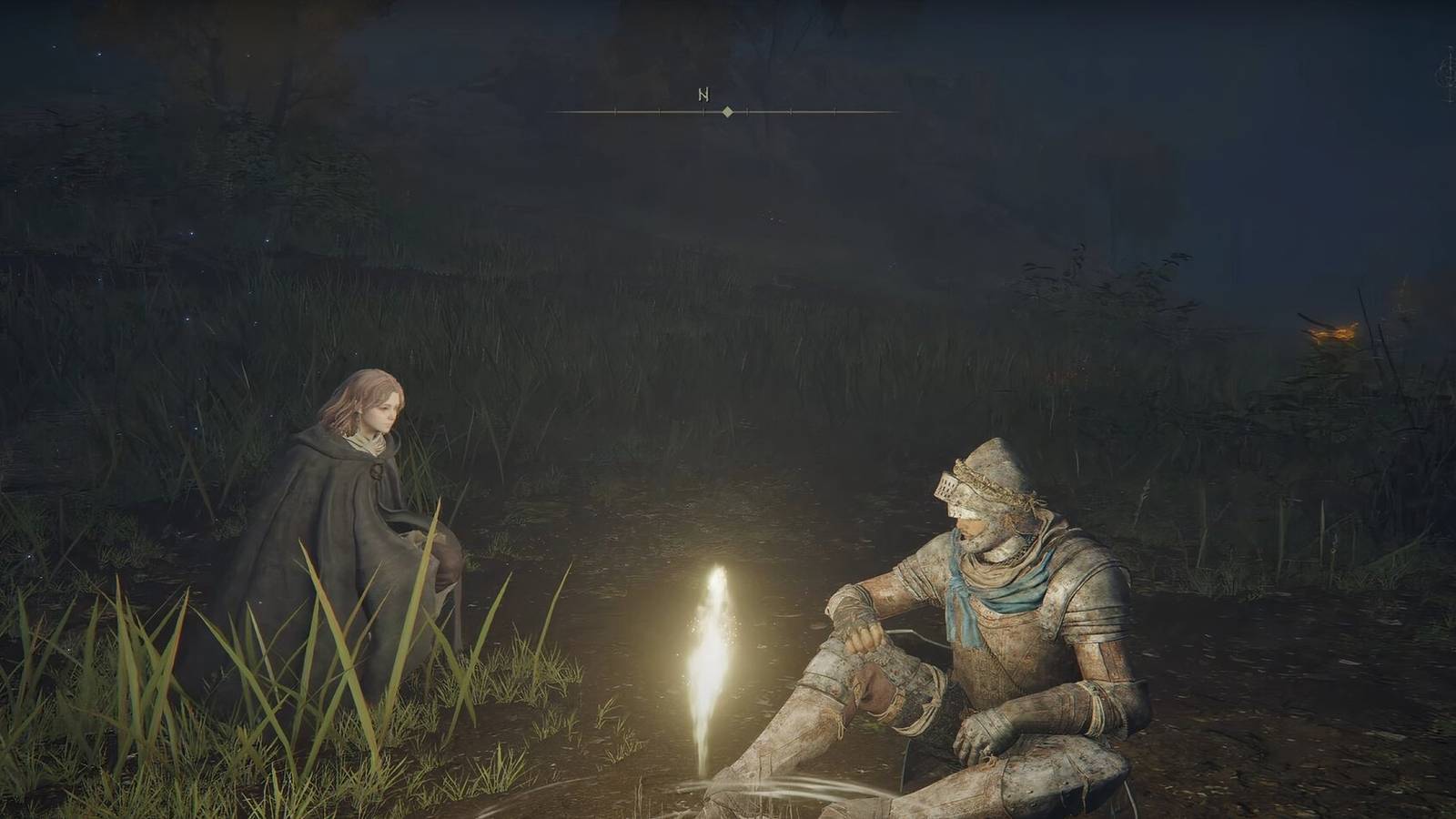
Taking something and making it new. The bonfire in Dark Souls transforms the checkpoint into something with narrative weight. The aesthetic heritage is visible, but the result is distinctly its own.
Exercise
Pick one element from a videogame you know (a jump, a camera angle, a musical cue, a UI choice). Trace its aesthetic heritage:
- Where have you seen this before? In other videogames? In film? In music?
- Is this inheritance (convention), quotation (reference), or transformation (something new)?
- What does knowing the aesthetic heritage add to your understanding?
Why Teach Aesthetic Heritage
Students often think they are inventing from scratch. Aesthetic heritage hopefully assists them in seeing that many solutions we can use exist in many creative traditions. The intention is for this to be freeing, not limiting. For many challenges in videogame development you can learn faster by studying how others solved similar problems in seemingly unrelated fields rather than struggling without direction.
Aesthetic Heritage Is Not Trivia
Try avoiding turning aesthetic heritage into "videogame trivia." The goal is not to memorize release dates or pieces of obscure media. The goal is to develop the habit of asking: "Where does this come from? What traditions is it pulling from?"
Teaching Sequence
- Start with obvious quotations (a videogame that explicitly references a film)
- Move to conventions (why do platformers have double-jumps?)
- Explore cross-media aesthetic heritage (how did cinema influence videogame cameras?)
- End with transformations (how did Dark Souls change the checkpoint?)
Common Pitfalls
"Aesthetic Heritage = copying"
Students may comment something along the lines of this tool is reinforcing derivative interpretation. We are not fundamentalists, but we were trained to study and respect the pivotal works of our field. It informs us of the places it's been and the ways it's been used in the past. Not knowing the history of a field is a treacherous and dubious thing to do. Things we do or say in the space have a much wilder breadth of implications if not respected. And be wary of claims or wants of "originality" - all things stand on the shoulders of their predecessors. Even the most original works exist inside tradition, technique, and context.
"I need to know everything"
Students may feel challenged or intimidated by the vastness of aesthetic heritage. Remind them: you don't need encyclopedic knowledge. We all have different interests and entry points into videogames, whatever that may be for you, it is a valuable voice to be heard in videogame analysis. What matters most is developing the habit of asking "where does this come from?"
Assessment
Have students present an "aesthetic heritage map" for one element of a videogame they want to make or analyze. Looking for: Can they identify at least two sources? Can they articulate what they're inheriting, quoting, or transforming?
Aesthetic Heritage and Medium Specificity
Videogames inherit from many different traditions and media but should not be reduced to any of them. Cinema contributed camera grammar. Music contributed rhythm. Theatre contributed stage and lighting. But videogames transform these inheritances through action and interactivity.
The question is: what does this inheritance inform us of when in the context of the 4 A's?
Aesthetic Heritage and Meaning
Aesthetic heritage is not just craft knowledge. It's also meaning. When a videogame quotes a film, players who recognize the quote experience a richer message. When a videogame inherits a convention, it carries the accumulated flair.
This creates layers of literacy. Some players see the reference and others do not. This is not so much a problem to solve but another layer of communication.
Aesthetic Heritage and Accessibility
Aesthetic heritage can be exclusionary. If a videogame assumes players know 40 years of platformer conventions, it may alienate newcomers. Part of accessibility as craft is deciding which aesthetic heritage to assume and which to teach.